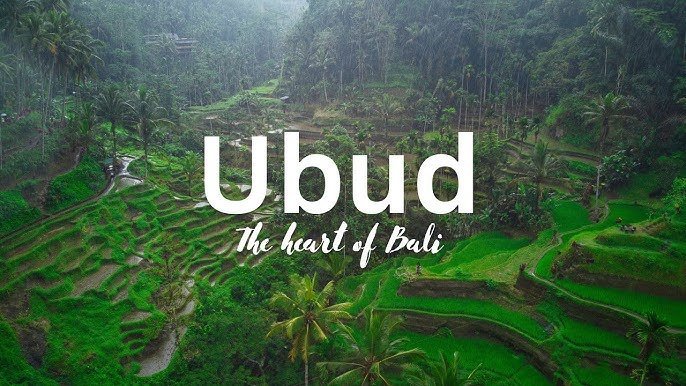
Beyond the artisanal boutiques and bustling monkey forests, Ubud harbors an ancient, pulsating spiritual heart. Carved out of dense tropical ravines by sacred mountain rivers, Ubud is an extraordinary geographic sanctuary where Balinese Hinduism (Agama Hindu Dharma), animist earth reverence, and classical yogic sadhana merge into a cohesive daily lifestyle.
Safety & Sanctuary
Discover why Ubud is globally celebrated as one of the safest and most welcoming destinations for solo female yogis.
Sacred Topography
Experience the tranquil walking meditation along the Campuhan Ridge and the calming negative ions of river valleys.
Temple Etiquette
Learn traditional customs for visiting ancient temples like Tirta Empul, Gunung Kawi, and Goa Gajah with reverence.
Sacred Geography: The Spiritual Sites of Greater Ubud
Ubud's landscape is intentionally designed around sacred coordinates connecting Mount Agung (the spiritual mountain home of the deities) to the southern sea:
| Sacred Site | Historical Era | Spiritual Significance | Yogic Practice Alignment |
|---|---|---|---|
| Campuhan Ridge | 8th Century CE | Confluence of Sungai Wos and Sungai Cerik rivers | Morning walking meditation & Prana absorption |
| Tirta Empul | 962 CE (Warmadewa Dynasty) | Holy spring waters created by God Indra | Melukat (Chakra & energetic aura purification) |
| Gunung Kawi | 11th Century CE | Ten 7-meter rock-cut royal candi shrines | Silent introspection & deep contemplation |
| Goa Gajah (Elephant Cave) | 9th Century CE | Ancient meditation cavern with Ganesha & Shiva lingams | Tantric meditation & obstacle removal (Ganesha Sadhana) |
Tri Hita Karana: The Philosophy that Defines Ubud
At the core of Ubud's peaceful vibration is Tri Hita Karana, the indigenous Balinese philosophy of harmony. It teaches that true human happiness (Sukha) is achieved only when three sacred relationships are kept in equilibrium:
- Parahyangan: Harmony between humanity and the Divine, expressed through daily prayers, offerings, and gratitude.
- Pawongan: Harmony among fellow human beings, expressed through communal solidarity (Gotong Royong), kindness, and peaceful conflict resolution.
- Palemahan: Harmony between humanity and Mother Earth, reflected in organic agriculture, reverence for sacred trees, and eco-conscious living.
Temple Etiquette for Yoga Travelers
When visiting sacred sites in and around Ubud, honor local traditions by following these essential guidelines:
- Wear a Sarong and Sash: Both men and women must cover their knees and waist with a traditional Kain Sarung and Selendang sash before stepping past temple gates.
- Mind Your Head & Feet: In Balinese culture, the head is sacred (seat of the soul) and the feet are unclean. Never touch someone's head or point the soles of your feet toward temple altars or holy priests.
- Respect Menstrual Customs: By tradition, women during menstruation refrain from entering temple courtyards due to sacred energy balancing principles.
Deepen Your Yoga Journey in Ubud's Sacred Jungle
Study authentic philosophy, alignment, and meditation in the cultural capital of Bali. Discover our Yoga Alliance certified 200-Hour TTC or relaxing Bali Yoga Retreats.
Join Our Next Intake