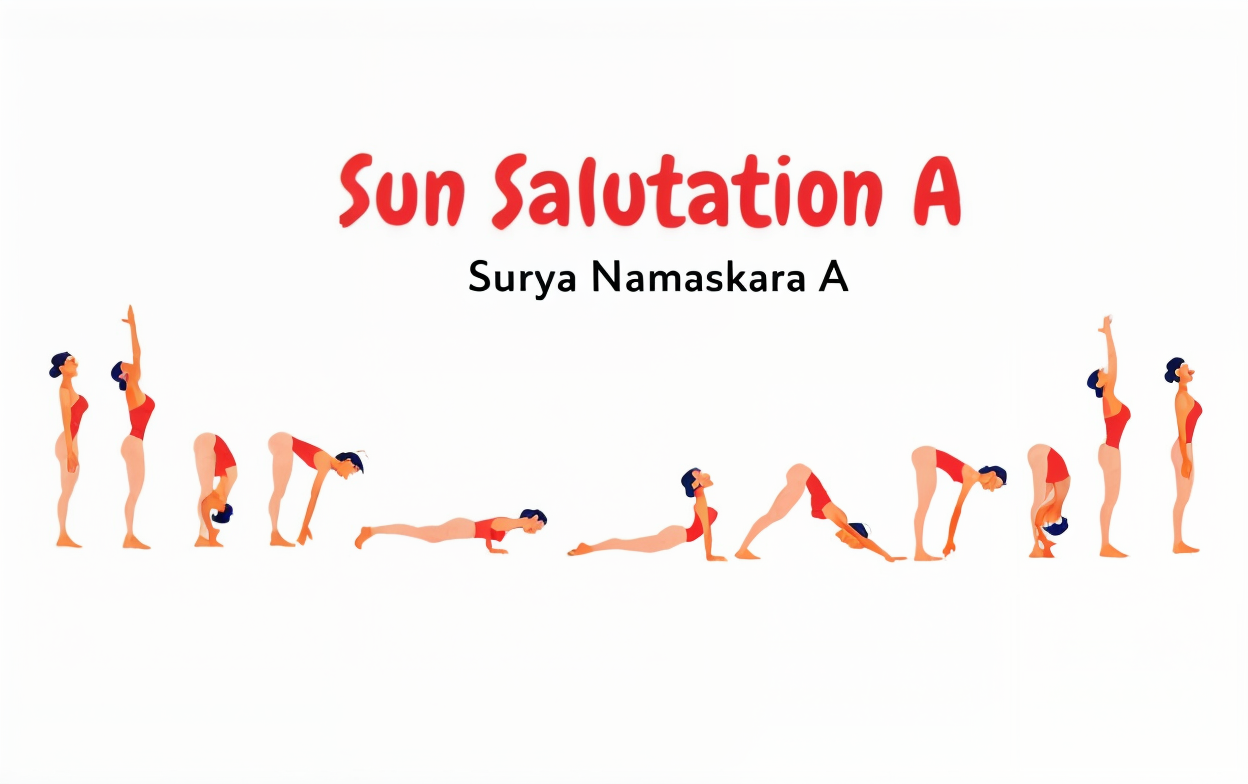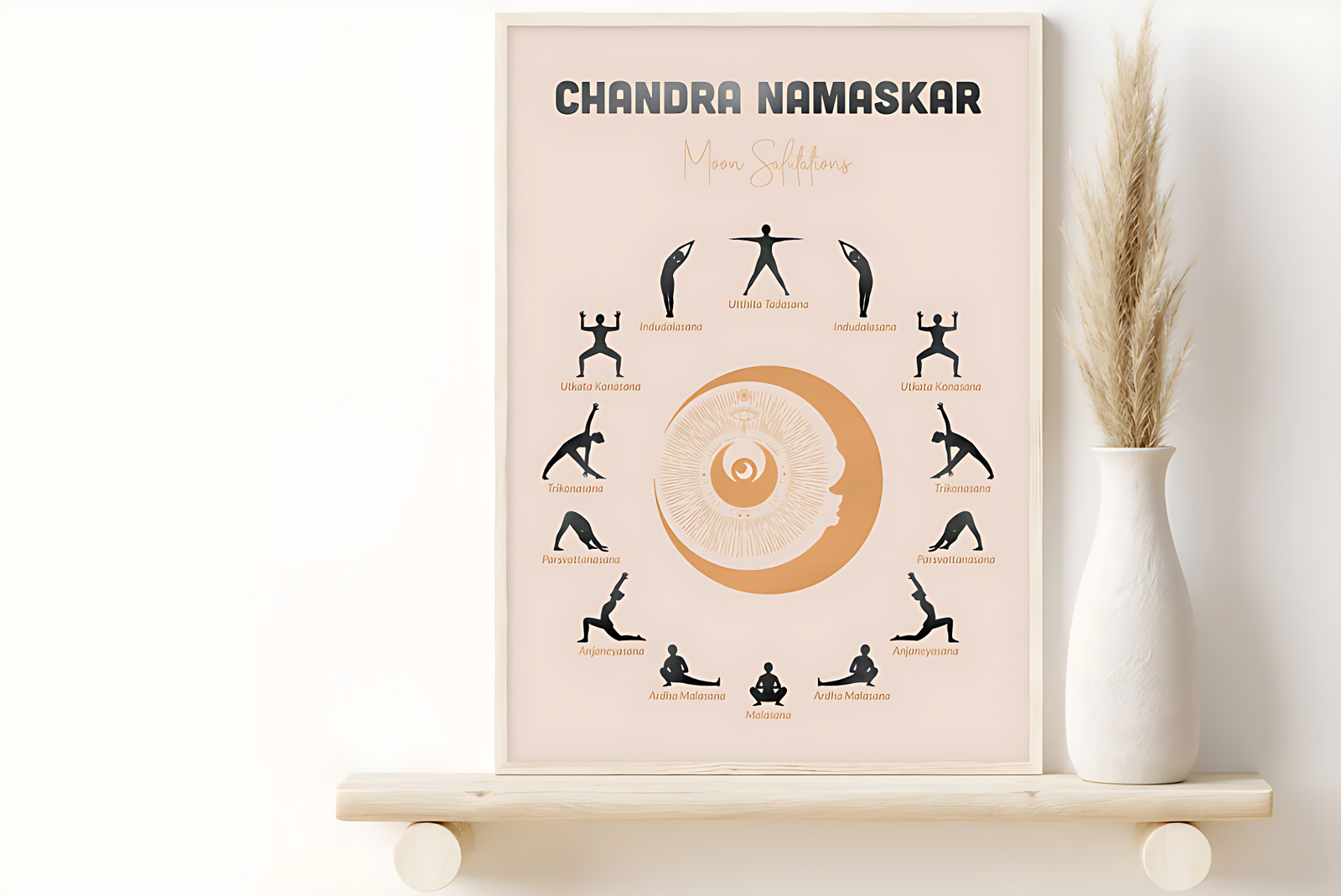
While Surya Namaskar (Sun Salutation) is universally celebrated for igniting solar heat (pingala nadi), metabolic fire, and linear forward-backward movement, our bodies equally require cooling, grounding balance. Enter Chandra Namaskar (Moon Salutation)—a sacred 14-step sequence designed to balance ida nadi, cool excess internal inflammation, and honor receptive lunar energy.
High Pitta & Stress
Cool down internal heat, hypertension, and adrenal exhaustion with lateral side-body stretches and calm exhalations.
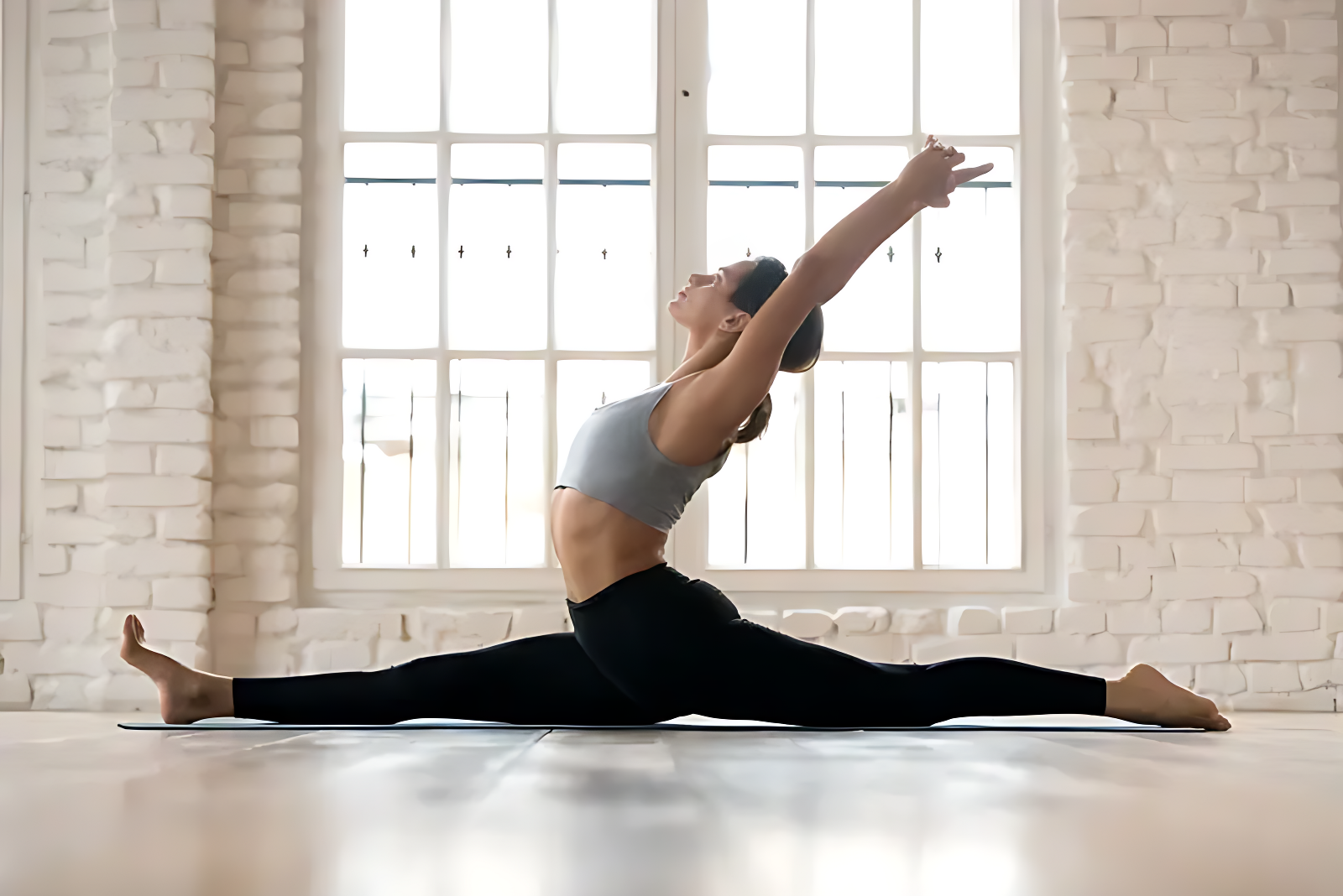
Pelvic & Hormonal Flow
Decompress pelvic floor tension and soothe menstrual cramping through wide-legged goddess squats and gentle hip openers.
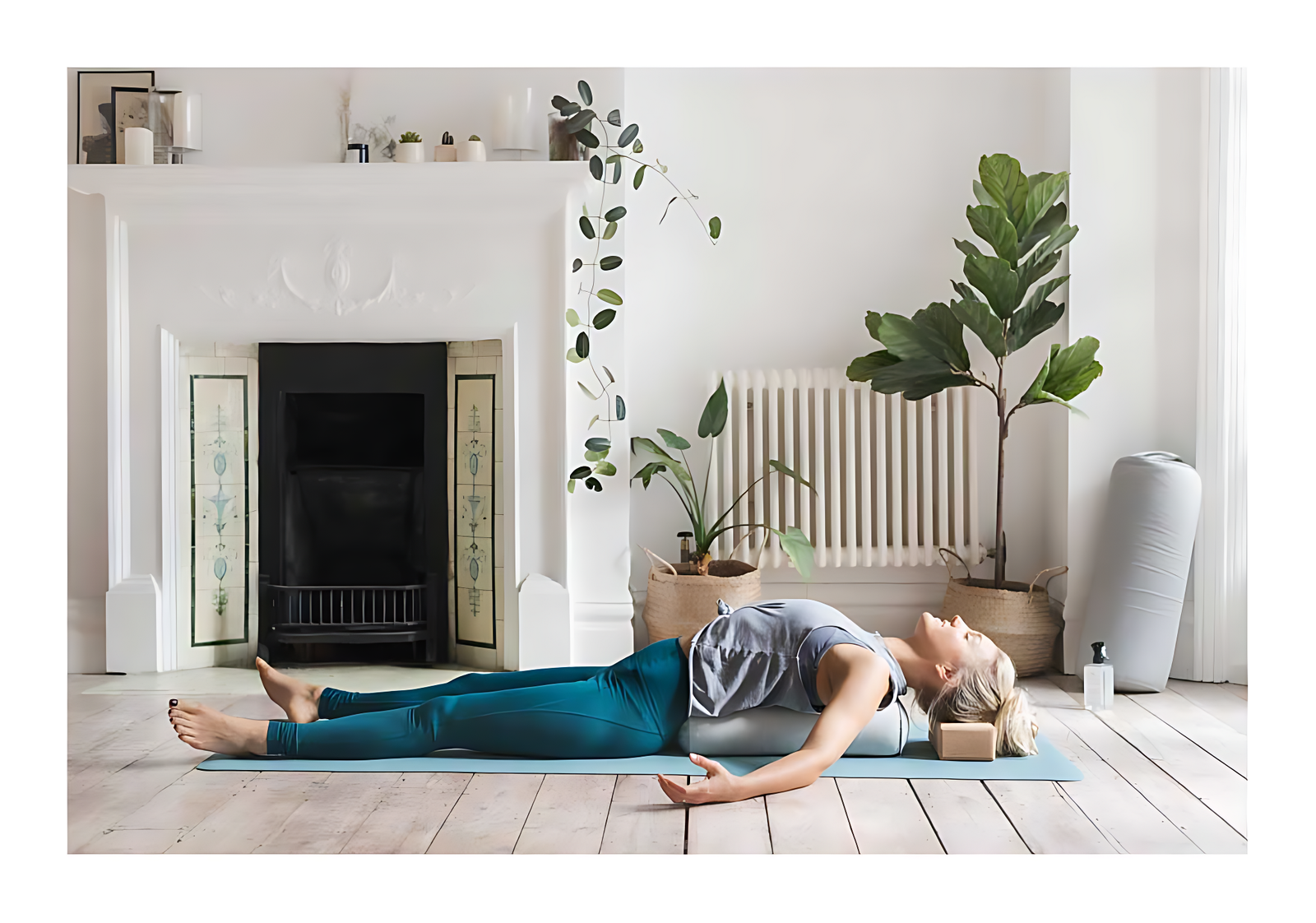
Pre-Sleep Reset
Unlike stimulating sun salutations, Moon Salutations slow the heart rate and prepare the mind for restorative sleep.
Surya Namaskar vs. Chandra Namaskar: The Energetic Contrast
| Dimension | Surya Namaskar (Sun) | Chandra Namaskar (Moon) |
|---|---|---|
| Primary Channel (Nadi) | Pingala (Right Nostril, Solar, Heating) | Ida (Left Nostril, Lunar, Cooling) |
| Direction of Movement | Linear sagittal plane (forward & back) | Circular / lateral frontal plane (side-to-side) |
| Heart Rate Impact | Elevates pulse, builds aerobic stamina | Stabilizes pulse, activates parasympathetic tone |
| Optimal Time to Practice | Sunrise / Early Morning | Sunset, Twilight, or Full/New Moon Days |
| Chakra Resonance | Manipura (Solar Plexus fire) | Swadhisthana (Sacral water) & Anahata (Heart) |
The 14 Steps of Classical Chandra Namaskar
- Pranamasana (Prayer Pose): Stand at the center of the mat facing long-edge. Inhale and exhale, palms at heart center.
- Urdhva Hastasana (Raised Arms Pose): Inhale, reach arms overhead, interlace fingers with pointer extended, arch gently into side body.
- Utkata Konasana (Goddess Pose): Step wide, turn toes outward at 45 degrees, bend knees deeply, draw elbows down at 90 degrees in cactus arms.
- Trikonasana (Triangle Pose): Straighten legs, pivot right foot forward, extend right hand to shin or block, gaze toward left thumb.
- Parsvottanasana (Pyramid Pose): Turn chest over right leg, square hips, fold torso forward with straight spine.
- Anjaneyasana (Low Crescent Lunge): Drop left knee to mat, untuck toes, sweep arms upward with heart lifted toward the moon.
- Skandasana (Side Lunge toward Right): Pivot both feet toward long edge, bend deeply into right knee, extend left leg straight with toes flexed up.
- Skandasana (Side Lunge toward Left): Shift weight across pelvis smoothly into bent left knee.
- Anjaneyasana (Low Crescent Lunge - Left): Pivot toward back of mat, drop right knee, sweep arms skyward.
- Parsvottanasana (Pyramid Pose - Left): Straighten both legs, fold over left shin.
- Trikonasana (Triangle Pose - Left): Open chest into triangle facing long-edge of mat.
- Utkata Konasana (Goddess Pose): Re-enter deep goddess squat, exhaling and anchoring pelvic floor.
- Urdhva Hastasana (Raised Arms Pose): Step feet together, sweep arms upward in full lateral stretch.
- Pranamasana (Prayer Pose): Return hands to Anjali Mudra at the heart, closing the circle of lunar awareness.
Knee & Sacroiliac Alignment Tips
In Skandasana and Goddess Pose, ensure your tracking knees point in the exact same vector as your second toes. Never let knees collapse inward. If your heel lifts off the floor during Skandasana, place a rolled towel under the heel or keep fingertips on the mat for balance.
Deepen Your Sequencing Mastery at Great Bali Yoga
Our residential courses in Ubud train you to balance solar strength with lunar receptivity. Explore our 200-Hour Yoga Teacher Training or unhurried Yoga Retreats in Bali.
View Dates & Details