While dynamic Vinyasa and Ashtanga fire up muscular strength and cardiovascular stamina, true bodily balance requires passive surrender. Yin Yoga is the contemplative counter-practice designed specifically to target what active exercise misses: deep connective tissues, joint capsules, dense ligaments, and fascial networks that wrap our muscular skeletal system.
Tight Hips & Stiff Back
Learn to use yoga bolsters and cork blocks to eliminate strain on your knees and lower spine while gently opening deep joints.
Teacher-Trainee Anatomy
Understand the difference between muscular tension vs. skeletal compression and how to cue 3–5 minute safe holding intervals.
Nervous System Decompression
Trigger the parasympathetic nervous system (vagus nerve), lower resting cortisol, and release chronic stored emotional tension.
The Science of Fascia: Why We Hold for 3 to 5 Minutes
Muscles are elastic and respond to quick, repetitive movement (yang). Fascia, tendons, and ligaments are plastic; they do not remodel through rapid bouncing. Connective tissue requires continuous, gentle traction over several uninterrupted minutes to stimulate fibroblast cells to hydrate and produce collagen.
In Yin yoga, we adhere to three golden principles established by Paul Grilley and Sarah Powers:
- Find your appropriate edge: Never force the pose to 100% maximum capacity. Enter to about 60–70% of your threshold.
- Resolve to be still: Once settled, surrender muscle engagement and avoid fidgeting.
- Hold for time: Maintain the shape for 3 to 7 minutes, breathing slowly through the diaphragm.
10 Essential Yin Yoga Poses Overview Matrix
| Pose Name | Target Joint / Fascia | Target Meridian | Hold Duration | Essential Prop |
|---|---|---|---|---|
| 1. Butterfly (Baddha Konasana) | Thoracolumbar fascia, adductors | Kidney & Urinary Bladder | 3–5 mins | Bolster under chest |
| 2. Sphinx / Seal (Bhujangasana var.) | Lumbar spine, anterior hip flexors | Urinary Bladder & Kidney | 3–4 mins | Block under sternum |
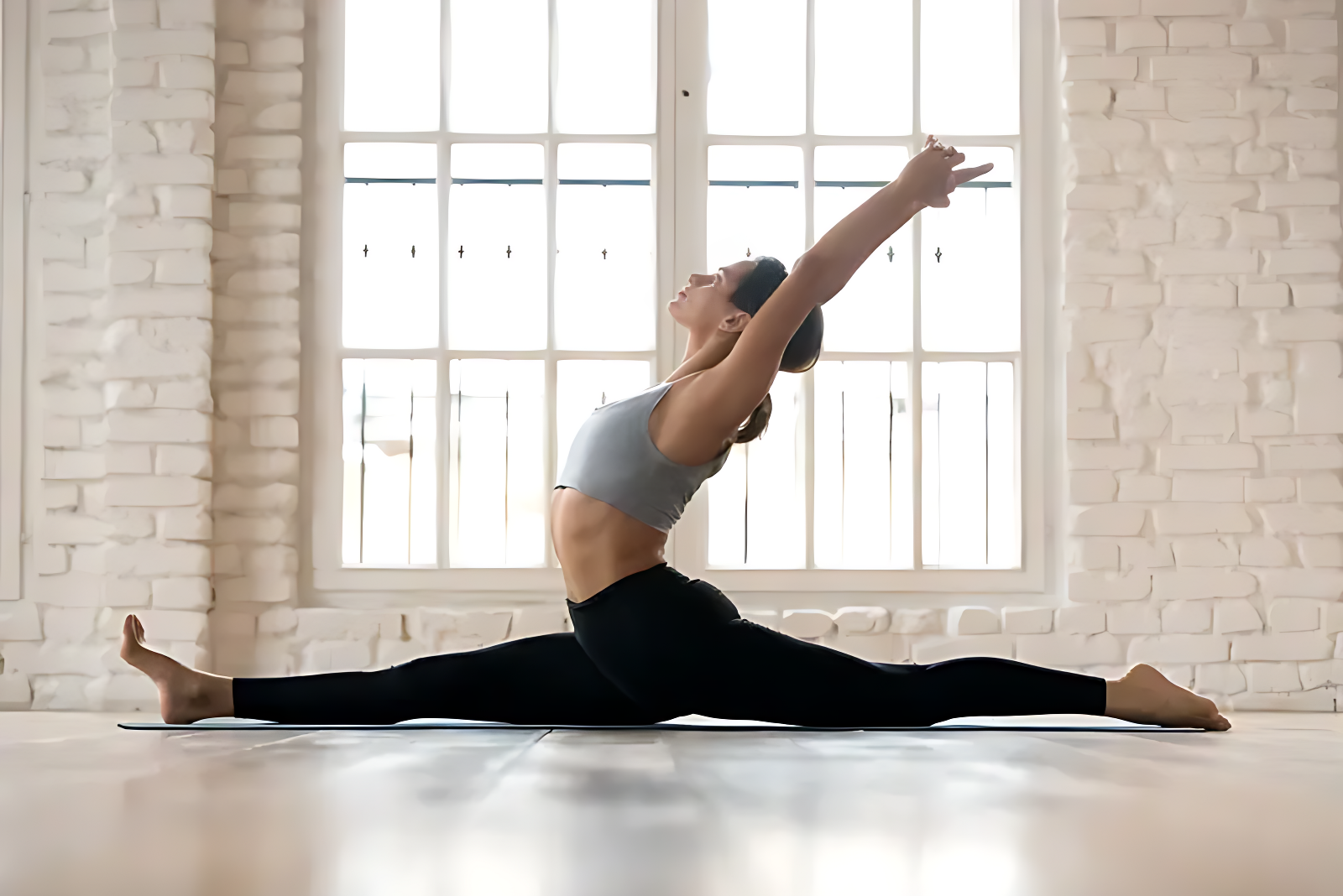
| 3. Dragonfly / Straddle | Hamstrings, inner groin, lower back | Liver & Kidney | 4–6 mins | Folded blanket under sitting bones |
| 4. Dragon (Low Lunge var.) | Psoas major, hip flexors, quads | Stomach & Spleen | 2–3 mins per side | Two cork blocks under hands |
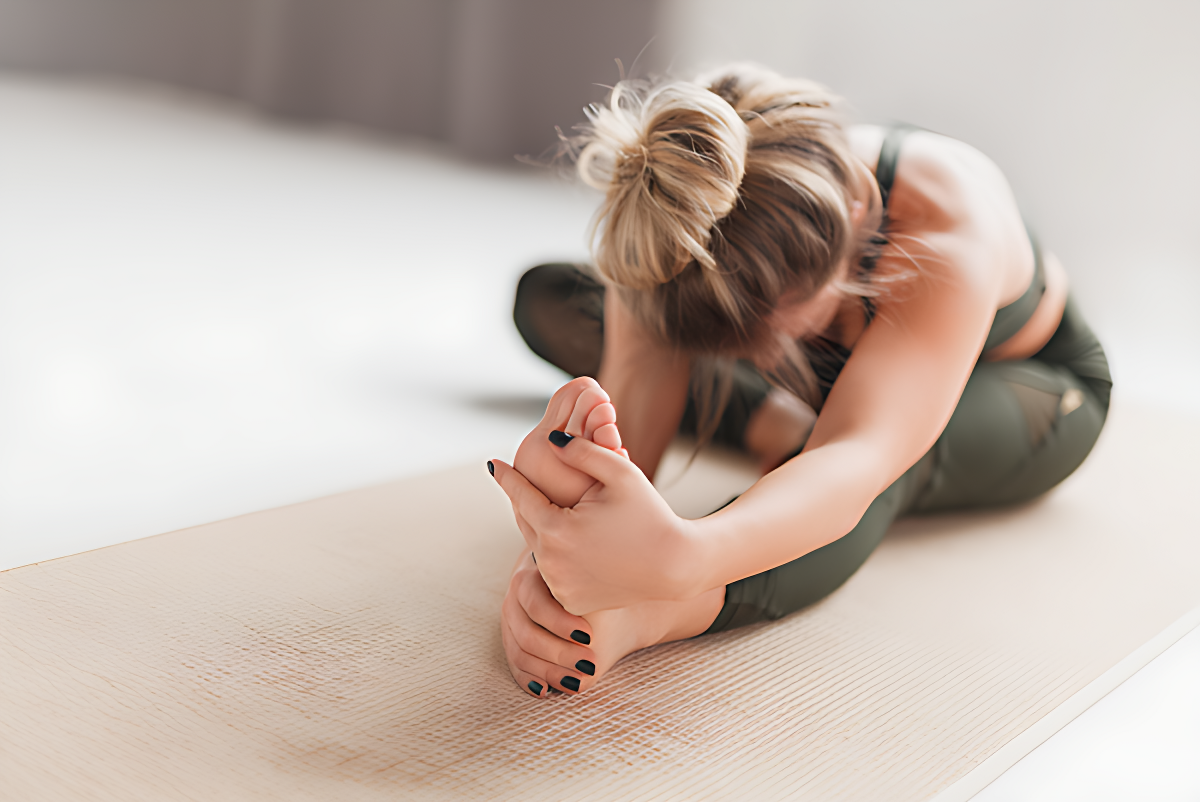
| 5. Caterpillar (Paschimottanasana) | Superficial back line, spine | Urinary Bladder | 4–5 mins | Bolster across knees |
| 6. Swan & Sleeping Swan | Gluteus medius, IT band, hip capsule | Gallbladder & Liver | 3–5 mins per side | Block under front hip |
| 7. Saddle Pose (Supta Virasana) | Quadriceps, rectus abdominis, knees | Stomach & Spleen | 2–4 mins | Bolster along spine |
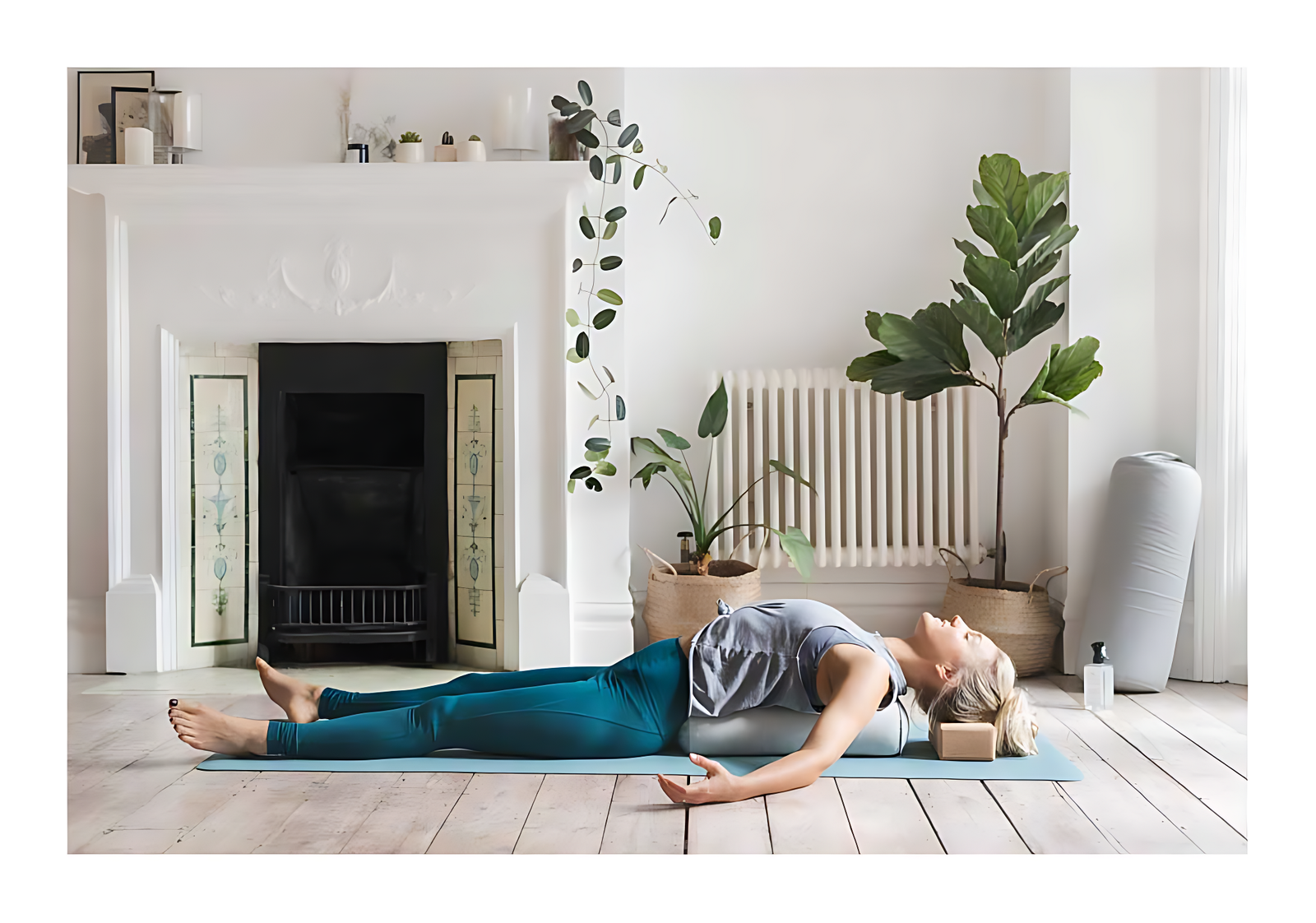
| 8. Supported Fish (Matsyasana var.) | Thoracic spine, pectoralis major | Heart & Lung | 4–5 mins | Bolster beneath shoulder blades |
| 9. Reclining Twist (Supta Matsyendrasana) | Paraspinal rotators, glutes, ribcage | Gallbladder | 3–4 mins per side | Block under floating knee |
| 10. Child's Pose (Balasana) | Lumbar decompression, ankle dorsiflexion | Spleen & Kidney | 3–5 mins | Bolster between thighs |
Detailed Step-by-Step Alignment & Cueing
1. Butterfly Pose (Baddha Konasana)
Sit with the soles of your feet together, drawing your heels roughly 18 inches away from your pelvis (creating a wide diamond shape rather than a tight groin tuck). Allow your spine to round softly forward like a waterfall. Let your head hang heavy, releasing suboccipital tension in the neck.
Modifications: If your lower back rounds painfully or your knees ache, elevate your pelvis on a folded blanket or rest your forehead on a vertical bolster placed across your feet.
2. Sphinx & Seal Pose
Lie on your belly. Bring your forearms parallel to each other, elbows stacked directly under your shoulders. Relax your glutes completely—do not clench the buttock muscles. Soften your belly into the floor, allowing the lumbar vertebrae to settle into passive lordosis.
Progression to Seal: Turn your fingers outward at a 45-degree angle and straighten your arms, deepening the compression in the sacrolumbar junction only if free of sharp pinch sensations.
3. Sleeping Swan (Yin Pigeon)
Bring your right knee toward your right wrist, angling your right foot toward the left hip. Slide your left leg straight back behind you. Check that your hips remain square. Drape your torso over your front shin or onto a supportive bolster. Hold for 4 minutes before stepping through downward dog to release the rebound.
Contraindications & The "Rebound" Safety Rule
Never confuse "fragile sensation" with "sharp joint pain": Yin yoga creates an intense, dull ache in dense fascial tissue. If you experience tingling, numbness, or electrical shooting sensations (sciatica), back out immediately.
The Rebound is Mandatory: After each 3–5 minute hold, take a 60–90 second neutral rebound in flat Shavasana. Notice the rush of warmth (chi / prana) and newly oxygenated synovial fluid re-entering the joints.
Study Yin Yoga & Fascial Biomechanics in Ubud
Our Yoga Alliance accredited 200-Hour Yoga Teacher Training in Bali and restorative Yoga Retreat in Bali feature daily dedicated Yin and Sound Healing modules taught by master anatomy educators.
Inquire About Upcoming Courses