In an adrenaline-driven world that glorifies speed, high-intensity workouts, and non-stop productivity, our sympathetic nervous system remains stuck in overdrive. When chronic fatigue, adrenal depletion, and joint tightness set in, pushing through sweaty, aggressive power yoga can worsen cortisol levels. What your body often truly craves is slow yoga—intentional, meditative disciplines designed to hydrate connective fascia, soothe the vagus nerve, and restore inner emotional balance.
Adrenal Restoration
Learn how zero-effort passive postures downregulate cortisol, helping chronic fatigue and sleep deprivation.
Fascial Hydration
Discover why 3–5 minute gentle holds stimulate fibroblasts to produce fresh collagen and synovial joint fluid.
Somatic Somnolence
Explore Yoga Nidra and slow movement as an accessible bridge for minds that struggle with rigid seated stillness.
The 5 Slow Yoga Practices Compared
Not all slow yoga styles operate the same way. Each accesses distinct physiological and energetic systems:
| Style | Target Tissue | Prop Requirement | Hold Duration | Primary Healing Outcome |
|---|---|---|---|---|
| 1. Yin Yoga | Fascia, ligaments & joint capsules | Moderate (blocks, bolsters) | 3 to 7 minutes per posture | Deep joint mobility & Chinese meridian flow |
| 2. Restorative Yoga | Nervous system & adrenal glands | Heavy (multiple bolsters, blankets, straps) | 10 to 20 minutes per posture | Zero-tension cellular recovery & vagal soothing |
| 3. Yoga Nidra | Subconscious mind & brainwaves | Minimal (mat, eye pillow, blanket) | 20 to 45 minutes lying flat | Theta/Delta wave access; equivalent to 3 hours deep sleep |
| 4. Somatic Yoga | Sensory-motor brain pathways | Minimal (floor mat) | Slow, undulating micro-movements | Reversing sensory-motor amnesia and chronic spasm |
| 5. Slow Vinyasa / Chandra Flow | Muscular endurance & breath sync | Light (blocks for hands) | 5 to 8 slow breaths per asana | Cardiovascular warmth without sympathetic agitation |
1. Yin Yoga: Rehydrating Deep Connective Tissue
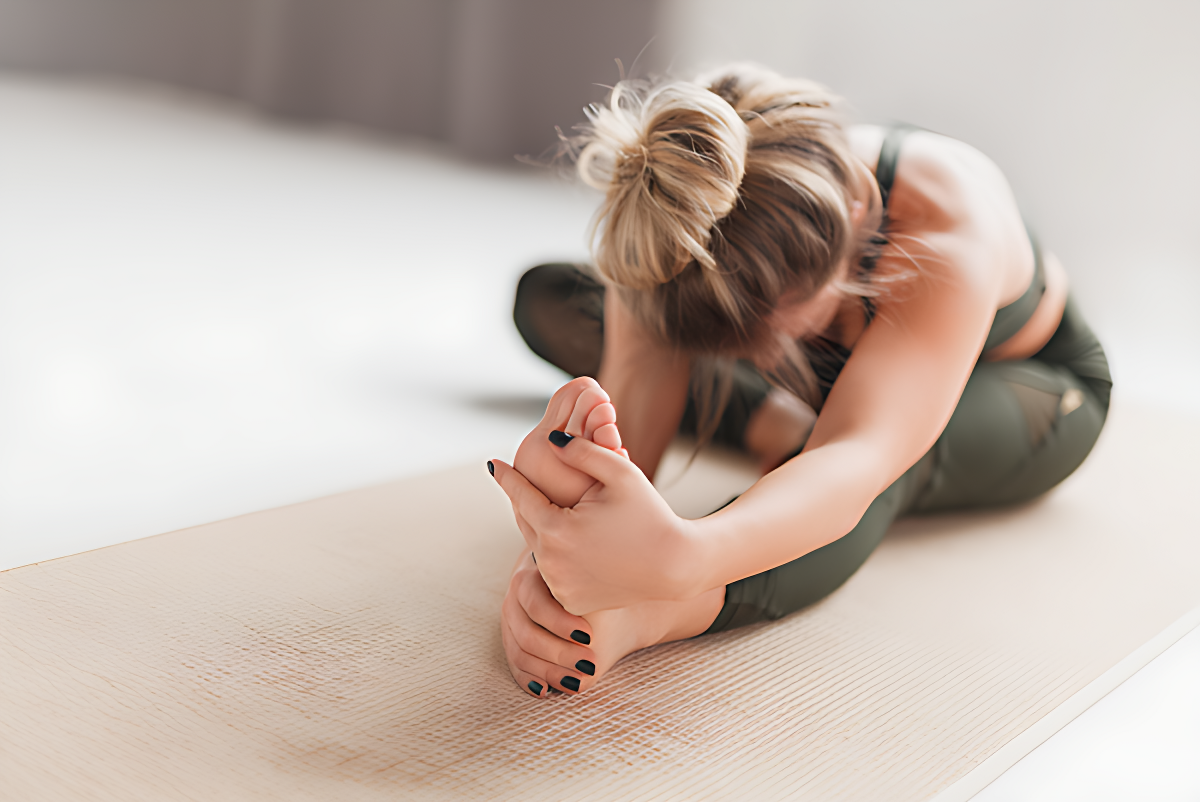
While yang styles heat and stretch muscles, Yin targets the dense, non-elastic tissues: ligaments, tendons, and the intricate matrix of deep fascia. By staying motionless at roughly 60% of your maximum range of motion for 3 to 5 minutes, you apply gentle traction to fibroblasts, signaling them to produce fresh hyaluronic acid and collagen.
2. Restorative Yoga: Total Effortless Surrender
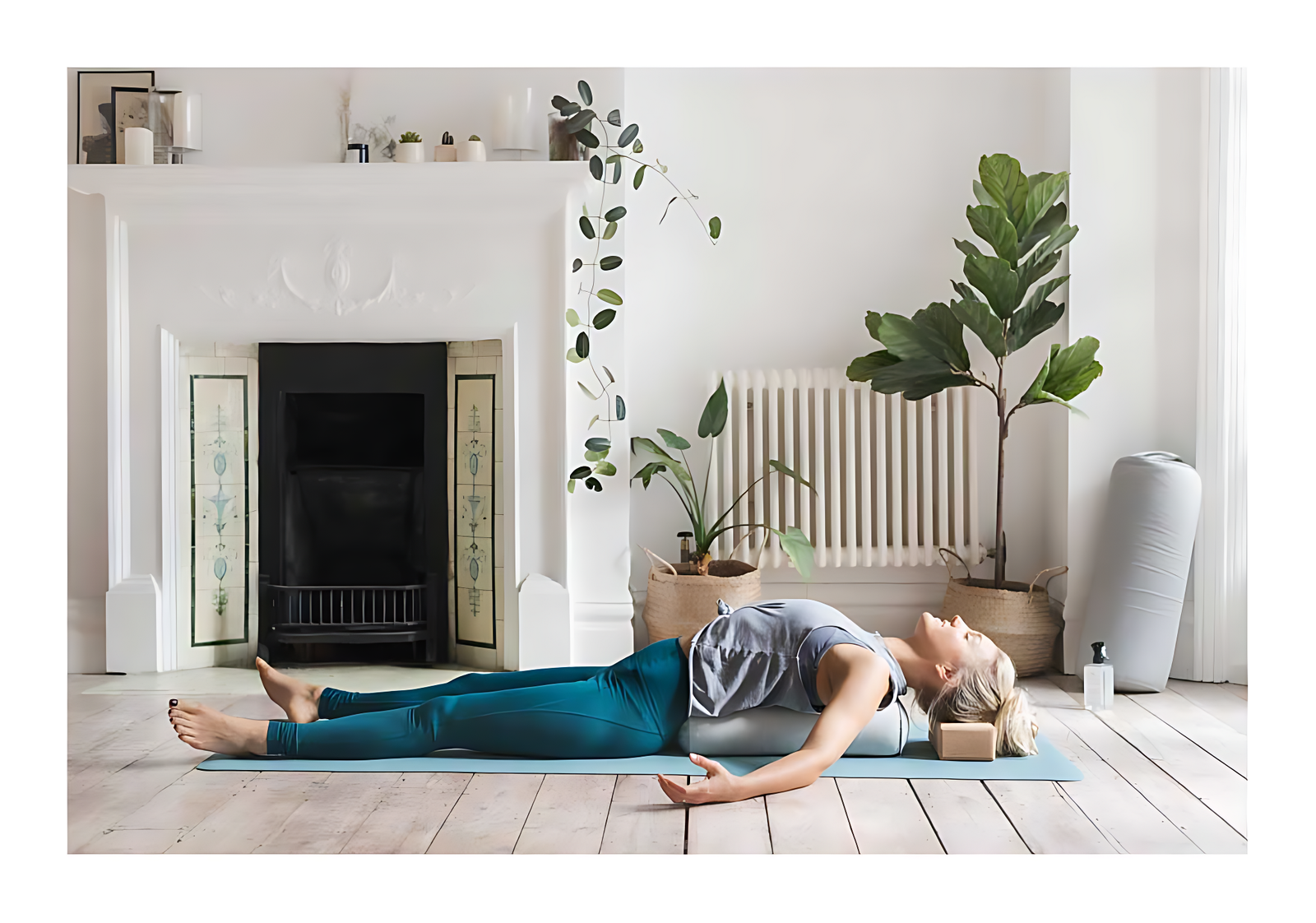
Pioneered by Judith Hanson Lasater, Restorative Yoga uses an abundance of props—bolsters, blankets, eye pillows, and sandbags—so your body is completely supported. With zero muscular engagement needed, the brain receives the clear signal that it is safe to down-regulate from sympathetic defense into deep parasympathetic regeneration.
3. Yoga Nidra: The Conscious Sleep State
Practiced lying completely still in Shavasana, Yoga Nidra ("Yogic Sleep") uses systematic rotation of consciousness, breath counting, and opposite sensation visualization to guide you into the hypnagogic state. Studies have shown that 45 minutes of Yoga Nidra can mimic the physiological restorative benefits of several hours of conventional slow-wave sleep.
4. Somatic Movement: Resetting Muscle Memory
Rooted in the work of Thomas Hanna, Somatic Yoga addresses "sensory-motor amnesia"—the involuntary tightness our brains program into muscles due to stress or injury. Through slow, conscious *pandiculation* (contracting, releasing, and relaxing a muscle group with full cognitive attention), your nervous system regains voluntary control over contracted muscle groups.
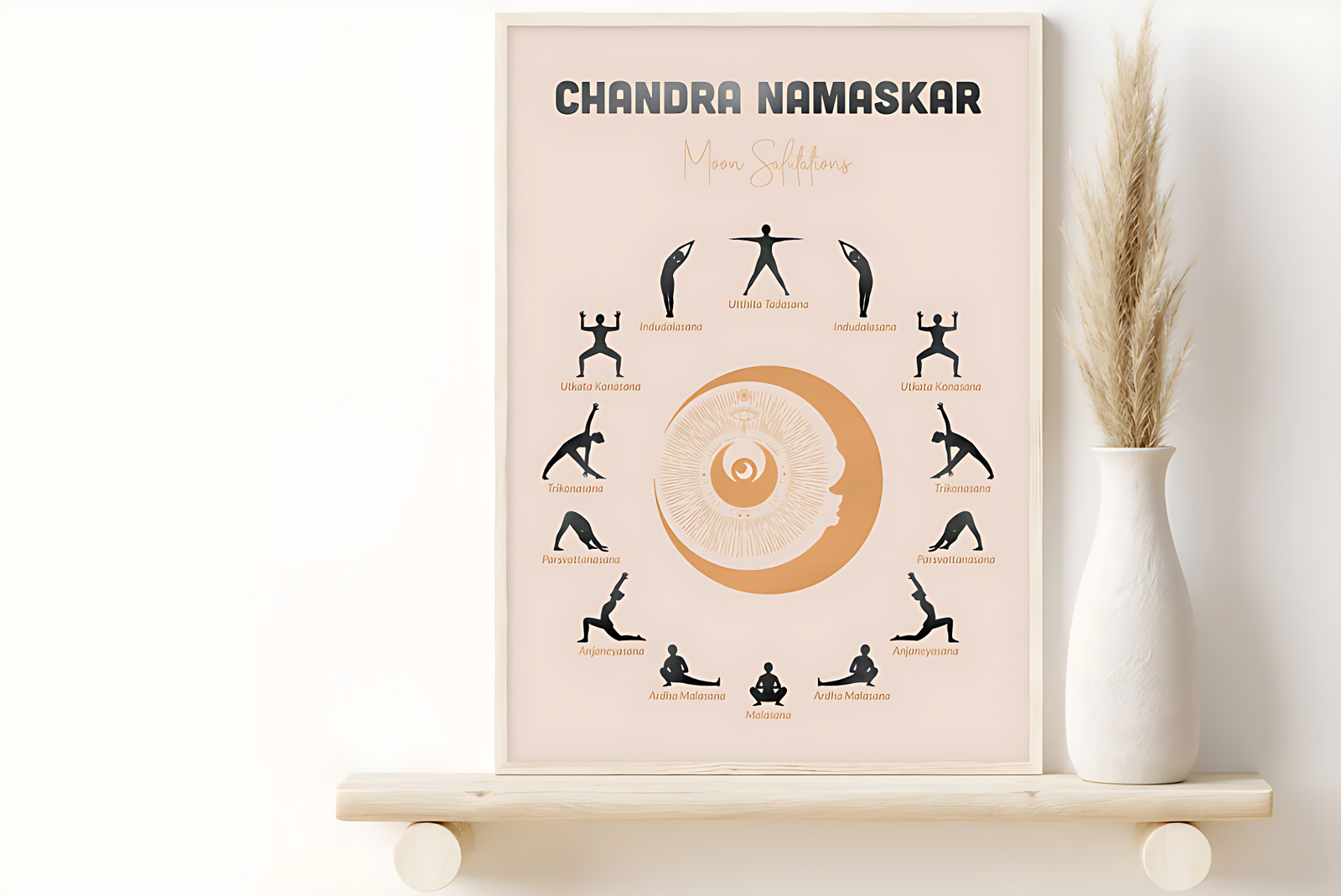
5. Chandra (Slow Moon) Vinyasa: Fluidity Without Frenzy
If you love dynamic movement but are too depleted for intense Ashtanga or hot power flows, Slow Vinyasa is your answer. You move through graceful standing and seated postures with lengthened 5-count inhalations and exhalations, building gentle body heat and lubricating joints without raising your pulse into sympathetic overdrive.
Experience Restorative & Yin Mastery in Ubud
Escape the stress of modern living and restore your vitality amidst the lush rice paddies of Bali. Learn about our holistic 200-Hour Teacher Training or peaceful Wellness Retreats in Bali.
Explore Dates & Details