
Balinese Healing Traditions That Complement Yoga
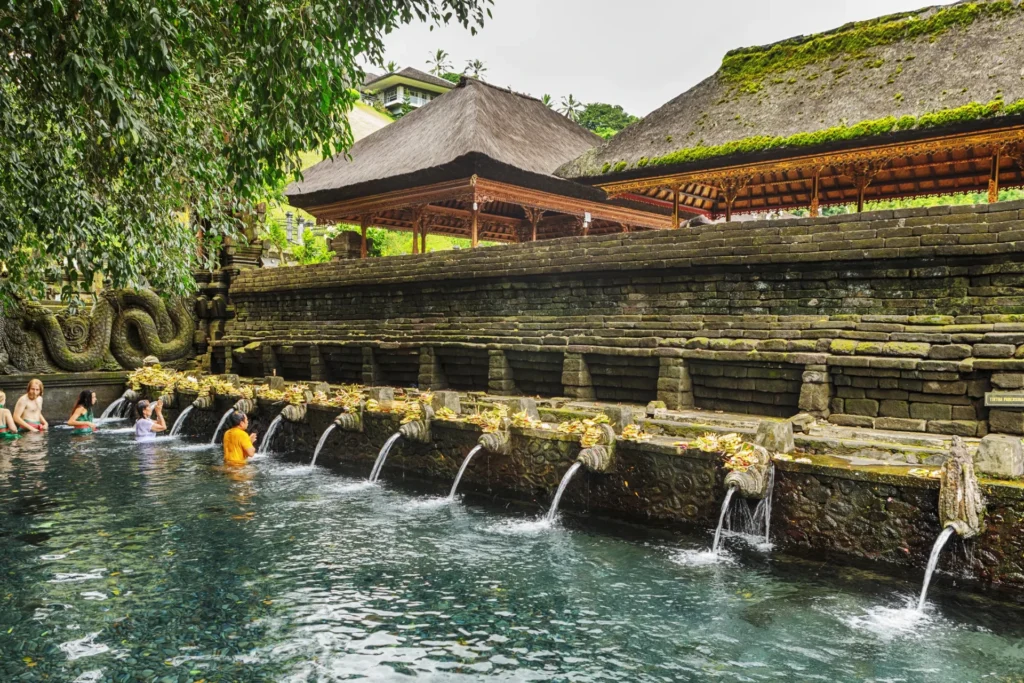
The first time you step into Bali, you notice something unusual. The vibe, the air is heavy and soft. You can smell the serene incense sticks while walking through the roads and streets. The temple bells sound so soothing. One will also find flower baskets resting peacefully on the ground, shedding a pleasing aroma. Life here has rhythm, a rhythm that isn’t rushed. For anyone practising yoga, that rhythm feels familiar; it feels like breath. One is yoga, another is Balinese; both healing methods belong together. Both are rooted in balance. Both are about remembering that health is more than the body; it’s the spirit, the heart, and the way you live your days. Bali offers a mix of two phases, two traditions so well that healing there feels amazing! Healing as Balance The Balinese don’t look at illness the way modern medicine often does. To them, sickness can come from the body, yes, but also from emotions, from relationships, or from losing touch with the spirit world. Healing is about harmony—bringing everything back into alignment. Yoga speaks a similar language. When the breath flows, when the mind steadies, when prana moves freely, health appears. Put side by side, yoga and Balinese healing feel like two rivers flowing toward the same ocean. Meeting the Balian – Balinese Healer Traditional healers in Bali are called Balian. Some inherit the role, others are called by dreams or visions. Villagers come to them for stomach pains, heartbreak, or even a restless spirit. A session might be simple, a bitter herbal tonic, a massage, a prayer whispered under the breath. Or it might be deeply ceremonial, involving chanting and ritual. You will be left with a serene sense of healing that is given by the healer to you in the form of yoga or other healing techniques. You won’t be a patient anymore, but a healed person filled with a lot of stories, beautiful experiences, positive energies, and amazing connections. The word healing is not just about curing something, but correcting the whole. Herbal Medicine that includes Jamu – Plant Wisdom Fresh and green pharmacy can be the right term for Bali! Turmeric, ginger, galangal, lemongrass, cloves—you see them piled high in markets, fresh and fragrant. These are not only spices, they’re medicine. The Balinese prepare jamu, a golden herbal tonic, as casually as tea. It cleanses the blood, strengthens digestion, and supports the immune system. For yogis, this natural medicine is a gift. A warm drink of turmeric is often useful after practice. A ginger infusion supports breathwork and clears heaviness. Herbs make the body feel light and ready, so practice becomes less about pushing and more about flowing. Energy Healing – Clearing What’s Stuck Anyone who has practised yoga knows the feeling—after a deep class, something shifts inside. The breath feels smoother, the mind quieter, the body lighter. Balinese healing has its own way of working with that shift. A Balian may move their hands over your body, sensing areas where energy feels heavy or blocked. Through touch, prayer, or chanting, they release what doesn’t belong. It’s subtle, but powerful. Yogis often compare it to clearing a chakra or unblocking a nadi. Energy work makes space for prana to move freely again. Water as a Healer Water is sacred in Bali. Springs are believed to hold cleansing power, and temples are built around them. The most well-known is Tirta Empul, where locals and visitors line up to step under fountains, letting cool water wash over their heads. Each fountain represents a different kind of release—anger, sadness, confusion. Daily Rituals The best thing that can be seen in Bali is the simplicity. People are simple and very spiritual, you will see families offering rice, flowers, and putting incense sticks at the doorsteps. They are called canang sari, and they’re everywhere. These offerings are small acts of gratitude, a way to keep harmony between humans, nature, and the unseen. For a yoga practitioner, this feels like a ritual on the mat—lighting a candle before practice, chanting Om before asana. Small gestures, repeated daily, shift the way you see the world. Healing in Bali isn’t about one big event; it’s about the little things you do every day. Balinese Massage After a week of yoga in Bali, a massage feels less like luxury and more like medicine. The relaxing pressure and bodywork applied is amazing and very rejuvenating. Many retreats include it as part of the experience, and it’s easy to see why. When the body is released from tension, yoga deepens naturally. Poses open, breath steadies, meditation becomes easier. The two practices feed each other. Yoga and Balinese Healing Together Yoga prepares the body and mind. Balinese healing works with spirit, energy, and nature. Put them together, and you don’t just practice yoga—you live it. A typical day in Bali might look like this: a sunrise yoga session in a jungle shala, herbal jamu to refresh the body, a visit to a healer in the afternoon, and meditation by the river at sunset. Each piece supports the other, and the effect is layered. It’s not a retreat; it’s an immersion into wholeness. Why It Matters Now Modern life is noisy. Screens, deadlines, and distractions pull us out of balance every day. Yoga helps, but sometimes posture and breath aren’t enough. What Bali offers is depth—rituals, ceremonies, and a way of living that reminds you healing is not just individual. It is communal, cultural, and connected to nature. That’s why people return again and again. They don’t just come back for yoga. They come back for the feeling of being restored on every level. Conclusion Balinese healing traditions and yoga share the same heartbeat. Both ask us to listen, to breathe, to honour the connection between body, spirit, and the world around us And that is Bali’s gift. A gift that lingers long after your mat is rolled up and your suitcase is packed.
Exploring Ubud- The Spiritual Heart of Bali
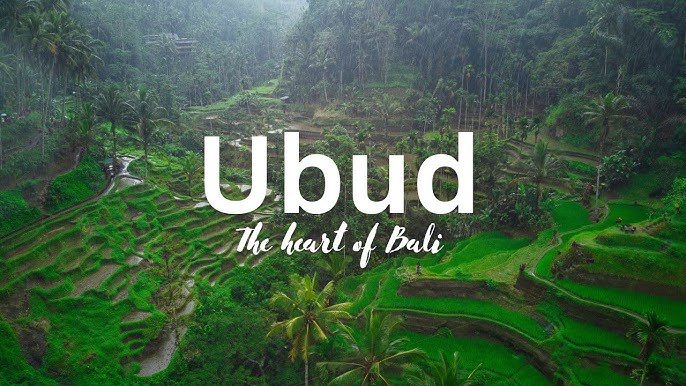
Bali is filled with surprises. The beaches, the nightlife, the surf towns. But the heart? The heart beats in Ubud. Green hills, quiet valleys, temples at every corner. Life feels slower here, softer. You notice it the moment you arrive. The air is different. Time feels different. For anyone walking the path of yoga or wellness, Ubud isn’t just a stop on the map. It feels like the land itself invites you in. A yoga class here is never only about stretching or breath. The forest around you, the smell of incense, the sound of river water—they join the practice. Why Ubud is Called the Spiritual Heart of Bali The Balinese live with balance. Between the visible and the invisible. Between work and prayer. Ubud shows this balance everywhere. Women placing little offerings on the ground, men walking with baskets of flowers to temples, chants echoing at dawn. The word Ubud comes from ubad, which means medicine. For centuries, people came here to heal—with plants, with prayers, with presence. That energy is still alive. Walk through the rice terraces at sunrise, and you feel it. Sit by a shrine with smoke curling up from incense, and you feel it again. Yoga Feels Natural Here Yoga needs space. Silence. A rhythm that doesn’t rush. Ubud has all of it. Many shalas are open-air, built of wood and stone, looking out over rice fields or rivers. Morning sun filters through palm leaves as you bow forward in practice. Even the air carries calm. The environment itself becomes your teacher. A bird’s call reminds you to breathe. The flow of the river pulls you into stillness. You don’t have to force focus—it comes to you. That’s the gift of practising yoga in Ubud. Healing Beyond the Mat Yoga is not the only path here. Ubud is also famous for its healers, known as Balian. They work with herbs, touch, and ritual. Visitors come with tired bodies, restless minds, and leave lighter. You’ll find traditional massages, herbal treatments, and therapies inspired by Ayurveda, too. It blends beautifully with bali yoga. A day might start with asana, move into a herbal steam bath, then close with meditation at a temple. The body rests. The spirit feels open. That’s the way Ubud holds people—it offers healing from many directions. Culture and Daily Life Culture in Ubud is not separate from spirituality. Be it dance, music, art, or culture, the place is filled with love and joy. You might come across some old stories, some refreshing melodies, cultural arts and a lot more. Daily life is not in a hurry but quiet and slow; the ambience of the place is beautiful. more than honks, you can hear birds chirping, people walking joyfully for spiritual practices, the sound of temple bells, the beautiful sunset view, the slow dusk, and everything is peaceful. Even the small things are meaningful. A Global Hub for Yogis Over time, Ubud has drawn teachers from all over the world. Hatha, Vinyasa, Kundalini, Yin….you find them all. Workshops, retreats, and teacher trainings happen year-round. Students come from different countries, carrying different reasons for being here. Some want certificates, some want clarity, some just want a break. And yet, they connect. Over meals, over evening talks, over quiet moments after practice. Friendships formed here often last longer than the course itself. That sense of shared search, of walking a path together, is strong. Inner Growth Happens Naturally People who come to Ubud often say the same thing: they feel lighter. The place itself encourages reflection. Surrounded by forest, temples, and rivers, it’s easier to listen inward. It’s not about escaping life but about seeing it more clearly. Yoga here is not only posture. It is patience, silence, awareness. Sometimes it is tears after meditation. Sometimes laughter over shared meals. It is growth that sneaks in quietly, without you noticing, until you realize you’ve changed. Conclusion Ubud isn’t only a location on the island. It is the pulse, the spirit. A place where tradition and modern seekers meet. Where yoga feels at home. It is a place that is beautiful inside and out. The people there, the environment, the culture, the spirituality, the food, and the whole place speak a lot about peace and health. For a yoga centre, Ubud offers the perfect ground. Students may come for training, but they leave with something far more valuable—clarity, balance, and a deeper sense of self. That’s why Ubud is called the spiritual heart of Bali. And that’s why, once you’ve been here, a part of you always wants to return.
Bali vs India: Which is Better for Yoga TTC?
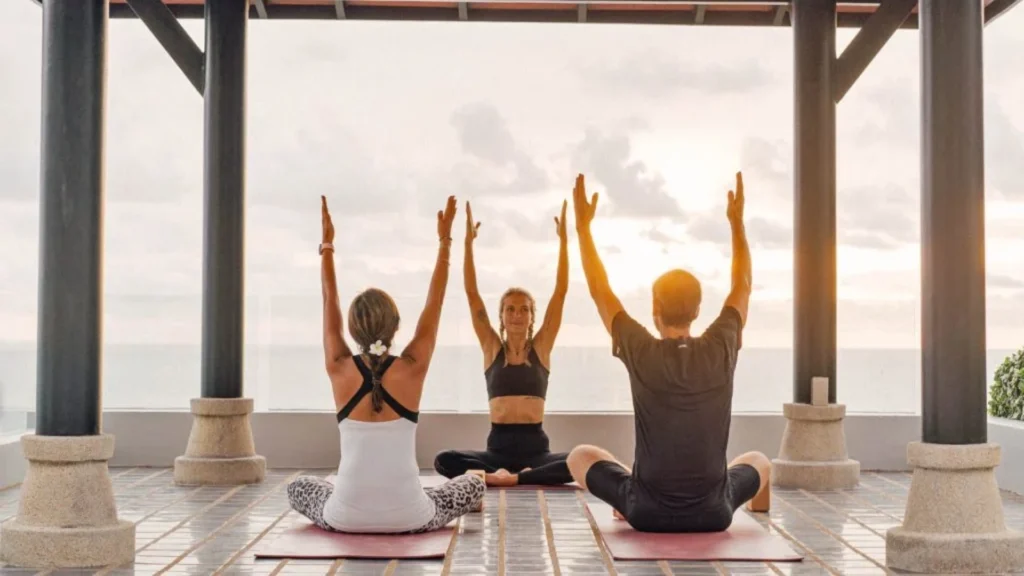
People ask this a lot. Bali vs India? Both sound good, but the feel is different. India has roots. Yoga was born there. Training in Rishikesh or Kerala feels raw. One may expect strict disciplined classes and strict training. Teachers focus on discipline, posture, and philosophy. It’s intense. Some love it, some find it too hard. Bali feels softer. Green rice fields, beaches, warm air. Schools are modern, retreat-style. Classes are serious, but the environment is calmer. After practice, you can rest in a café or watch the sea. Life outside the class feels easier. That balance attracts many. So what’s better? Depends on you. If you want tradition, chanting, strict routine, maybe India fits. If you want a nurturing space, some comfort, and a more relaxed pace, Bali works. Both can make strong teachers. Think about your own nature. Do you thrive in structure? Or do you learn better in a calm, open place? That choice matters more than location. Why Do People Choose Bali vs India for Yoga and Wellness? Bali has become a magnet for yoga and wellness. Not by chance. Many small reasons, each adding up. Here are some: 1. Peaceful surroundings Bali is green. Rice fields, tall palms, ocean nearby. Practising yoga in such quiet surroundings feels different. Nature itself sets the mood. 2. Community feeling People come from all over. Students, teachers, travellers. It feels welcoming, less strict. You can meet like-minded people, share food, stories,and practice. 3. Gentle lifestyle Life on the island runs slower. No rush, no noise of big cities. That calm helps the body settle, and the mind too. Yoga feels natural in such a rhythm. 4. Experienced teachers Many international teachers move to Bali. Locals also carry deep wisdom. You get variety. Different styles of yoga. Different approaches. You can pick what fits you. 5. Retreat culture Centres are designed like sanctuaries. Open pavilions, gardens, pools. It’s not just about asanas but also rest. After classes, you eat wholesome meals, maybe sit by water. 6. Food choices Healthy cafés everywhere. Fresh fruits, herbal teas, plant-based meals. It supports yoga practice. Easy on digestion, light on the body. 7. Spiritual atmosphere Temples, daily offerings, chants in the air. Balinese culture feels spiritual in itself. Even walking the streets, you sense it. That energy blends with practice. 8. Balanced learning In the morning, strict learning. Later, you can walk, surf, paint, or just sit by the sea. That mix makes training feel less heavy. 9. Affordable options Compared to Western countries, Bali feels easier on the pocket. Many levels—from simple stays to luxury retreats. Students can find what suits them. 10. Warm hospitality Balinese people are kind. Smiles everywhere. That warmth makes you feel at home even if you’re far from home. Why Do People Choose India for Yoga and Wellness? India is where yoga was born. For many, that fact alone makes the choice simple. But beyond history, there are clear reasons why students travel here. 1- Yoga in Roots India is a place where Ayurveda and yoga are said to have been born. Places like Rishikesh, Mysore, Kerala, or Varanasi connect you to that ancient line. 2. Traditional teachers Teachers are strict; many gurus and sages in India have been mastering yoga for a long time. Wellness is like a legacy or ancestral wealth in India. Thus, you will find gurus with immense experience. 3. Ashram life Living in an ashram is unlike a retreat. Waking early, meditating, eating sattvic food, attending satsang. It strips life down to basics. Simple yet powerful. 4. Focus on philosophy In India, yoga is not just physical exercise. Classes include the Yoga Sutras, chanting, pranayama, Ayurveda, and meditation. You see the bigger picture. 5. Budgeted India is very affordable. Be it lodging, meals, or wellness courses. India can be a good choice. 6. Cultural depth Step out of class, and the culture itself becomes part of learning. Street processions, temple bells, local rituals. At times noisy, at times chaotic, but always full of life. You end up absorbing yoga off the mat, too. 7. Strong discipline Schedules are tight. Less comfort, fewer frills. But that discipline reshapes how students think and act. Many say they leave India not just as better teachers but as stronger individuals. 8. Natural setting Himalayan towns, riverbanks, forests, even coastal Kerala—schools are often surrounded by nature. Practising in fresh air, hearing temple bells or river flow nearby, makes meditation easier 9. Culture India is known for its incredible culture. So, when learning in India, one can explore the culture and learn a lot beyond wellness. 10. Spirituality Ayurveda was born in India; therefore, people often visit India to feel the wellness in the air. Final Thoughts Choosing a place to learn yoga is not about which of the two spots is better; it is more about what suits the learner. India is a place where you will get history, yogic roots, and much more discipline. If you are looking for intense learning, going to the roots, then India can be the place fr you. Bali hits different. The practice here is softer; the island is slow and calm. Institutes blend serious learning and relaxation. Some go to Bali, some learn in India, both transform!
Why Bali is the World’s Top Destination For Yoga & Wellness?
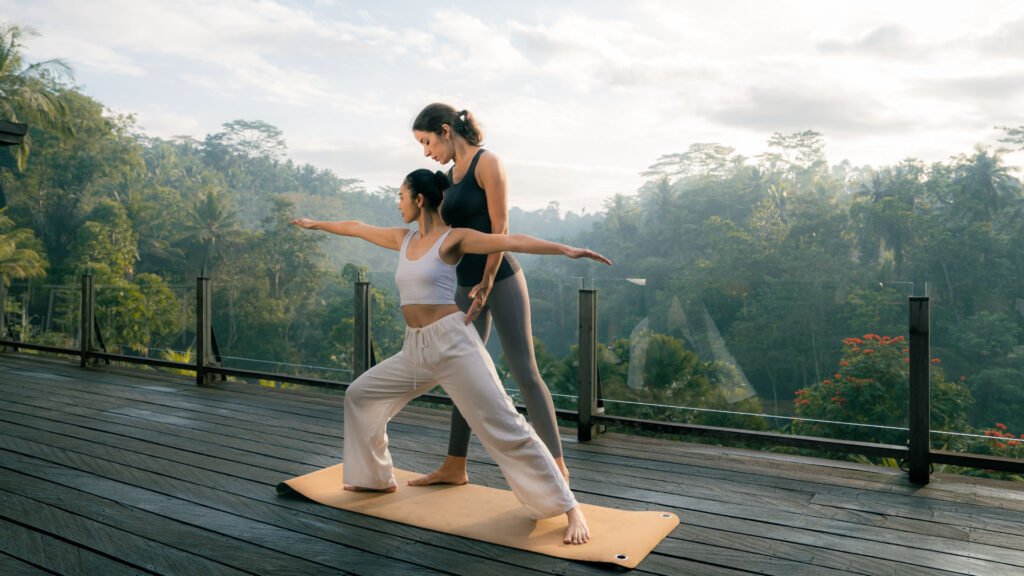
Bali is… different. The moment you step off the plane, it feels like the air moves slower. The mornings are quiet. Birds. Waves. Green everywhere. Rice fields, hills, palms. You want to just sit. Watch. Breathe. People come here for yoga. Some stay for the calm. Some just sleep. Or walk. Or eat something simple and notice the taste. The temples, the villagers, the small rituals—they don’t ask anything of you. You just notice. Sometimes that’s enough. Retreats? Lots. Tiny studios hidden on hillsides. Big resorts with spas. Classes outside. Sometimes under a tree. Some days just meditation, some days yoga. Some people arrive tense. Leave lighter. Not faster. Not dramatic. Just… lighter. Yoga here isn’t about being perfect. It’s slow. Walking in fields. Sitting quietly. Watching the waves. Breathing. Eating something warm. Moving. Pausing. That’s it. That’s what makes it work. Bali isn’t a trip. Not really. It’s a pause. A place to feel your body again. Your thoughts. The mornings. The culture. The quiet. And that’s why people keep coming back. Teachers, Therapies, and Living the Bali Way Teachers in Bali are everywhere. Some gentle, some strict, some funny. You meet them and feel something shift. Not because of a complicated pose. It’s how they watch you breathe. How they correct a small movement….. Tiny adjustments that make your body notice itself. Your thoughts, too. They don’t rush. They don’t lecture. People come here for yoga, sure. But many stay for the calm. The small things. Walking past a temple. Watching villagers leave tiny offerings. You don’t join. You just see. The incense, the flowers, the small bowls on the ground. It makes you pause. You notice your breath. Maybe your thoughts. Your shoulders. The tension you didn’t know was there. Retreats are everywhere. Tiny studios tucked on hillsides. Big resorts with pools, gardens, and open-air classes. Sunrise yoga. Meditation under trees. Or just lying on a mat and staring at the sky. People arrive stressed. Leave slower. Lighter. Not dramatically. But enough to notice the difference. Nature here teaches. Walking rice fields. Sitting under a tree. Listening to waves. Morning sunlight. Sunset glow. Nights with stars. You can’t plan it. You just feel it. Slowly, your mind quiets. Slowly, your shoulders drop. Slowly, you feel lighter. Not like a perfect routine. Just small changes in breathing, noticing, moving. Small pauses that make life feel lighter. Bali isn’t a retreat you attend. It’s a retreat you live, even in tiny ways. Teachers, therapies, food, nature, silence—all of it slowly seeps in. By the time you leave, you notice your shoulders drop. Your mind feels calmer. Your body feels… present. And that is why Bali remains one of the top destinations in the world for yoga and wellness. Another reason is food in Bali. It’s simple, fresh, and feels natural. For anyone coming to study yoga or wellness, meals here are part of the experience. Smoothies, herbal teas, rice, vegetables, fresh fruits—you notice every bite. The food is perfect to match your learning and healing vibe. Food matters a lot when you learn yoga. Healthy living starts with healthy food. Bali is a hub of healthy food. Here, you won’t only experience rejuvenation but will also develop good food habits. Read More: How To Prepare For Your Yoga Teacher Training In Kerala, India Who Can Join Wellness and Yoga Retreats and Sessions in Bali? Anyone can join wellness and yoga programs in Bali. Don’t worry that, “I am not flexible enough”, or “ I do not have any experience”. Beginners, intermediate level learners, or advanced practitioners— all has an equal place here…Some come to learn yoga for the first time. Others come to deepen their practice, explore meditation, or detox their mind and body. Final Thoughts Bali is strange. Not strange in a bad way. Just… different. You land, and the air is soft, a little warm, smells of flowers and wet earth. Rice fields everywhere. Palms. Hills. You notice your steps slowing down. You notice your breathing without trying. Yoga here isn’t about poses. It’s noticing yourself. Pausing. Feeling small things. A bird. The wind. The sun. You sit somewhere, and suddenly even your thoughts feel quieter. It’s subtle. You might not notice it at first, but by the second day, it’s there. People come for yoga, wellness, or meditation. Beginners, travellers, students… anyone. Some just watch the sunrise. Some take full classes. Some drink herbal tea slowly, walk through rice fields, and stretch under a tree. Everything slows. You notice small changes. Your shoulders drop. Your mind feels lighter. It’s not about perfection. Not about routines. It’s noticeable. Pausing. Breathing. Feeling. And somehow, even after leaving, that pause stays. A little calm that lives in your chest. A little quiet in your head. That’s Bali. Simple. Soft. Real. FAQs About Yoga and Wellness in Bali 1. Do I need to be experienced in yoga to join? No. Not at all. Beginners are welcome everywhere. Some classes are slow, gentle, just learning poses and breathing. You can take it at your own pace. Even if you’ve never done yoga before, Bali has places that will guide you. 2. How long should I stay for a proper experience? Depends. Some people come for a few days, some for weeks. Even a weekend can give a taste, but a week or more helps your body and mind adjust. You notice small changes slowly. 3. Is it expensive to do wellness programs in Bali? Not always. There are luxury retreats and smaller, budget-friendly studios. Meals, yoga, meditation, and therapies can fit different budgets. You can choose what suits your plan. 4. Can I do yoga outdoors? Yes! Many classes happen under trees, on the beach, or by rice fields. Nature is part of the experience. Breathing in fresh air and listening to the waves adds to the calm. 5. Is Bali suitable for solo travellers? Absolutely. People come alone all the time. You meet others in classes or retreats naturally.